
In-Vitro Fertilisation (IVF) in Kuala Lumpur
When trying to conceive takes longer than expected, it can bring uncertainty and difficult decisions. For many couples, considering IVF may feel like a significant step — often after months or years of questions about fertility and what to do next.
In-Vitro Fertilisation (IVF) is one of several assisted reproductive treatments that may be discussed following a comprehensive fertility evaluation. It is designed to create carefully controlled conditions to help eggs and sperm come together and form an embryo.
At GenPrime Everlink Fertility Centre in Kuala Lumpur, recommendations are made after reviewing your medical history, fertility test results, and personal circumstances. The aim is not simply to begin treatment, but to determine whether IVF is appropriate for you and how it should be approached as part of your overall fertility care.
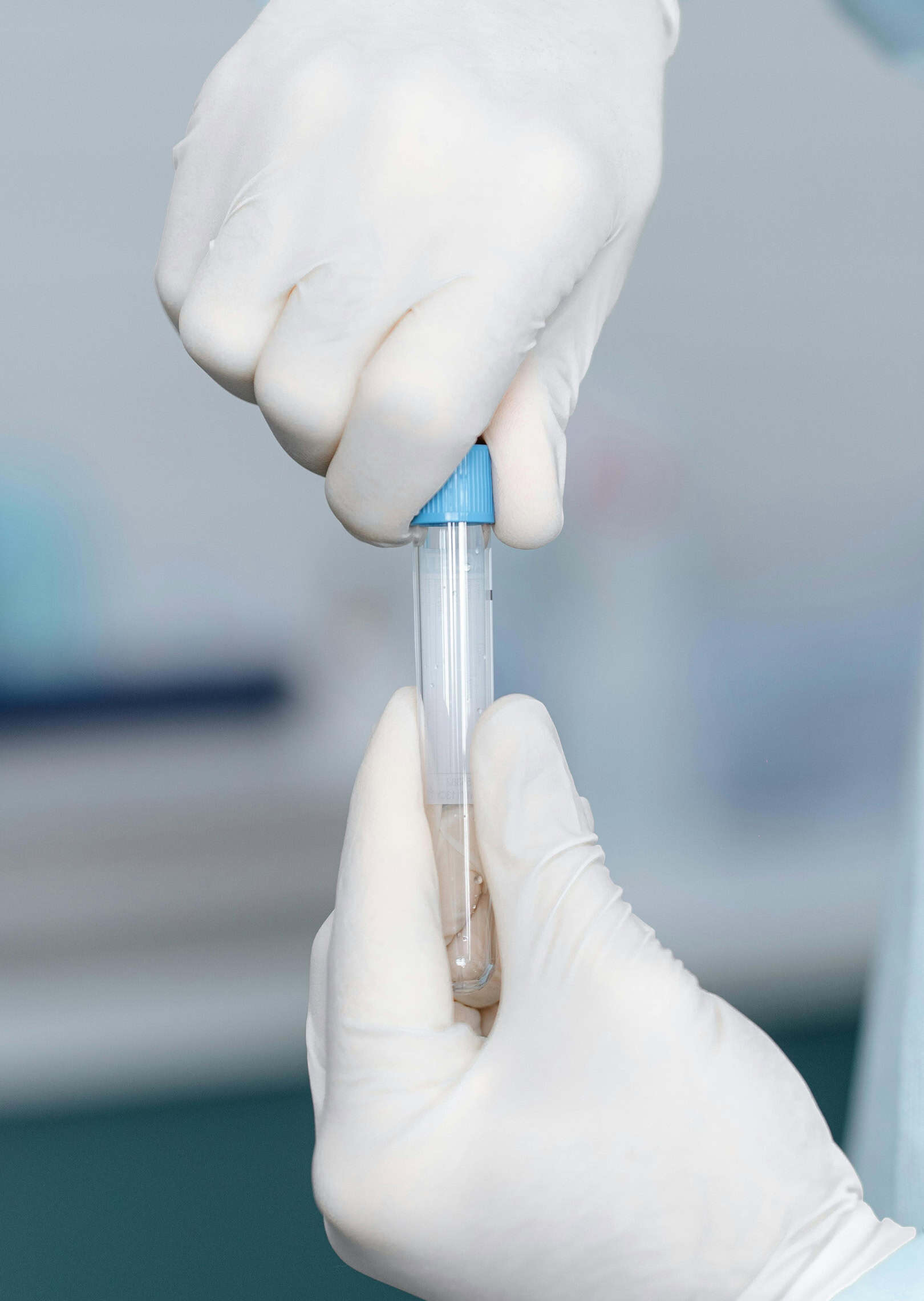
During IVF treatment, eggs are collected from the ovaries and fertilised with sperm in a specialised laboratory. The resulting embryo is then carefully transferred into the uterus as part of a coordinated treatment cycle.
When Might It Be Considered?
After a detailed fertility assessment, IVF may be discussed in situations such as:

Blocked or damaged
fallopian tubes

Endometriosis

Polyendocrine Metabolic
Ovarian Syndrome (PMOS)

Reduced sperm
count or motility

Unexplained
infertility

Reduced ovarian
reserve

Recurrent
pregnancy loss

Previous unsuccessful
fertility treatment
Every clinical situation is different. A consultation allows time to review your results carefully, explain what they mean, and discuss whether IVF aligns with your reproductive goals and overall health.
Every clinical situation is different. A consultation allows time to review your results carefully,
explain what they mean, and discuss whether IVF aligns with your reproductive goals and overall health.
What the IVF Treatment Process Involves
If IVF is considered appropriate, your treatment will be explained step by step so that
you understand what each stage involves and why it is recommended.
If IVF is considered appropriate, your treatment will be explained step by step so that you understand what each stage involves and why it is recommended.
1. Ovarian Stimulation
Medication is prescribed to encourage the development of multiple follicles. Ultrasound scans and blood tests are used during this phase to monitor your response and guide adjustments where necessary.
Different stimulation approaches may be considered depending on your individual profile, including:
- Antagonist Protocol – commonly used to provide flexibility and reduce the risk of ovarian hyperstimulation
- Microdose Flare Protocol – sometimes considered in women with reduced ovarian reserve to help stimulate follicular response
- Mild IVF – involves lower doses of medication to support a gentler stimulation approach in selected cases
The stimulation protocol is selected based on age, ovarian reserve, hormone levels, and previous treatment history.
2. Egg Retrieval
When follicles are ready, eggs are collected using ultrasound guidance under sedation. This is typically performed as a day-care procedure.
3. Fertilisation in the Laboratory
The retrieved eggs are combined with sperm in the laboratory. Fertilisation may occur through conventional IVF or through Intracytoplasmic Sperm Injection (ICSI), depending on individual findings.
4. Embryo Development
Embryos are monitored over several days to assess development under controlled laboratory conditions.
5. Embryo Transfer
If appropriate, an embryo is transferred into the uterus during a brief outpatient procedure.
6. Pregnancy Testing
A blood test is performed approximately 10–14 days after embryo transfer to assess for pregnancy.
The period between transfer and testing can feel particularly significant. Your care team will explain what to expect during this time and when follow-up will occur.

4. Embryo Development
Embryos are monitored over several days to assess development under controlled laboratory conditions.
5. Embryo Transfer
If appropriate, an embryo is transferred into the uterus during a brief outpatient procedure.
6. Pregnancy Testing
A blood test is performed approximately 10–14 days after embryo transfer to assess for pregnancy.
The period between transfer and testing can feel particularly significant. Your care team will explain what to expect during this time and when follow-up will occur.
Discuss Your Options
Choosing to explore IVF is an important decision.
A blood test is performed approximately 10–14 days
after embryo transfer to assess for pregnancy.
A blood test is performed approximately 10–14 days after embryo transfer to assess for pregnancy.