
Ovarian stimulation using prescribed medication
Fertility Preservation in Kuala Lumpur
Fertility preservation allows eggs or sperm to be stored for potential use in the future. For some, it is part of planning ahead for when the time feels right to start a family. For others, it may be considered before medical treatments that could affect reproductive health.
At GenPrime Everlink Fertility Centre, egg freezing and sperm freezing is performed using the CRYOTEC® cryopreservation technique, an advanced vitrification method designed to support optimal preservation of eggs and sperms.
A consultation provides the opportunity to review your current reproductive health and discuss whether fertility preservation may be appropriate for your circumstances.
When Might Fertility Preservation Be Considered?
You may wish to discuss fertility preservation if:

Planning to delay
starting a family

Undergoing medical
treatment affecting
fertility

Reduced ovarian
reserve or declining
sperm parameters

Considering vasectomy
but want future options

Prefer early
reproductive planning
Fertility potential changes over time. Understanding your current profile can help inform decisions about whether to preserve eggs or sperm now.
Fertility potential changes over time. Understanding your current profile can
help inform decisions about whether to preserve eggs or sperm now.
Egg Freezing
(Oocyte Cryopreservation)
What Is Egg Freezing?
Egg freezing involves collecting mature eggs from the ovaries and preserving them for potential future use. At GenPrime Everlink Fertility Centre, eggs are preserved using the CRYOTEC® cryopreservation technique, an advanced vitrification method designed to support effective preservation of the eggs.
The process resembles an IVF stimulation cycle, with one key difference — the eggs are not fertilised at the time of freezing. Instead, they are stored and may be used later if you decide to pursue pregnancy.
For some women, this provides greater flexibility in timing while using eggs collected at a younger age.
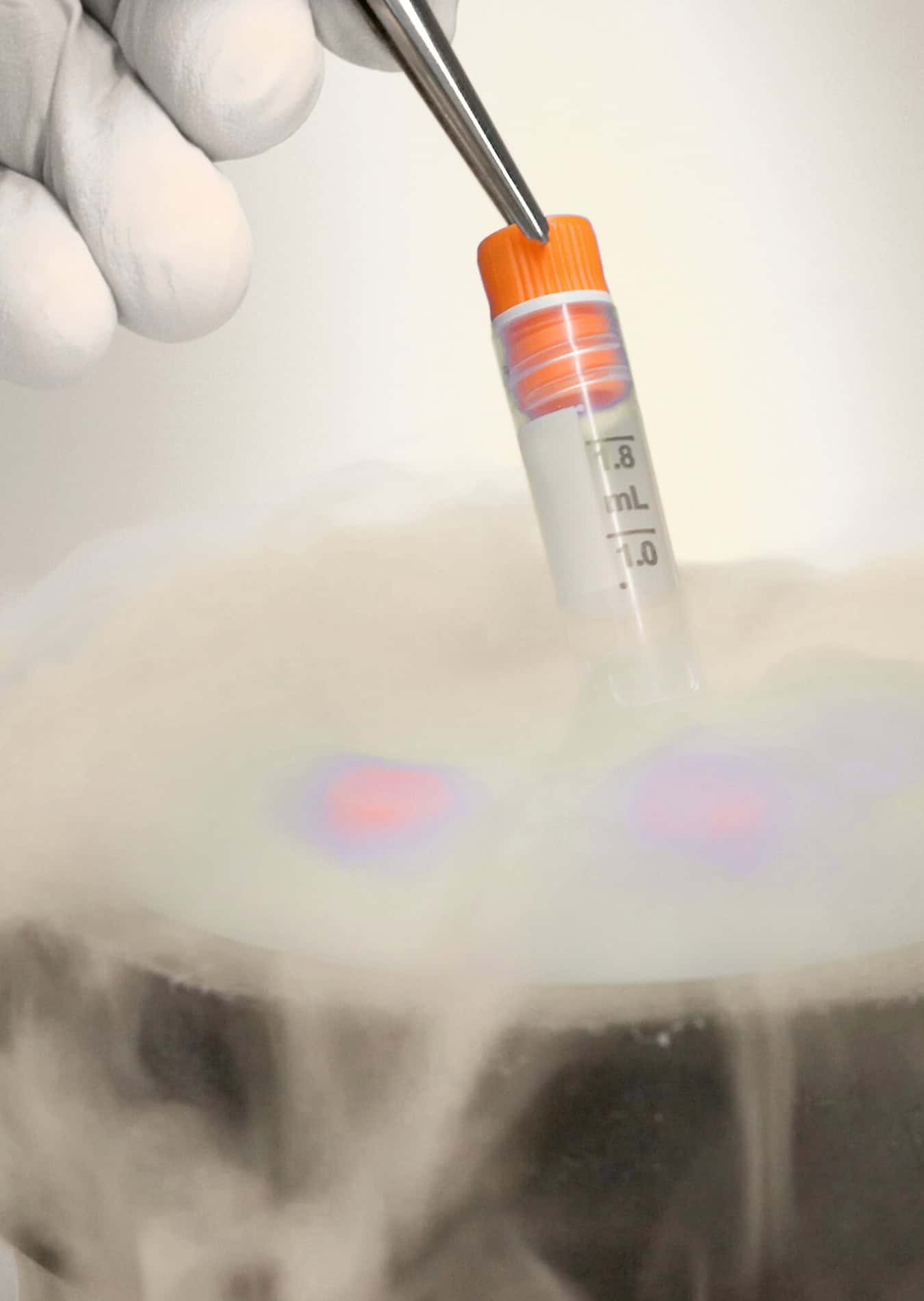
The Egg Freezing Process
The number of eggs retrieved varies depending on age, ovarian reserve, and response to medication.
Using Frozen Eggs in the Future
If you later decide to pursue pregnancy, the stored eggs may be thawed and fertilised as part of an assisted reproductive treatment plan.
Following fertilisation in the laboratory, the resulting embryo may be transferred into the uterus in a subsequent cycle.
Because freezing can affect the outer layer of the egg, fertilisation is commonly performed using Intracytoplasmic Sperm Injection (ICSI). The most appropriate approach will be reviewed at the time treatment is planned.
Sperm Freezing
(Semen Cryopreservation)
What Is Sperm Freezing?
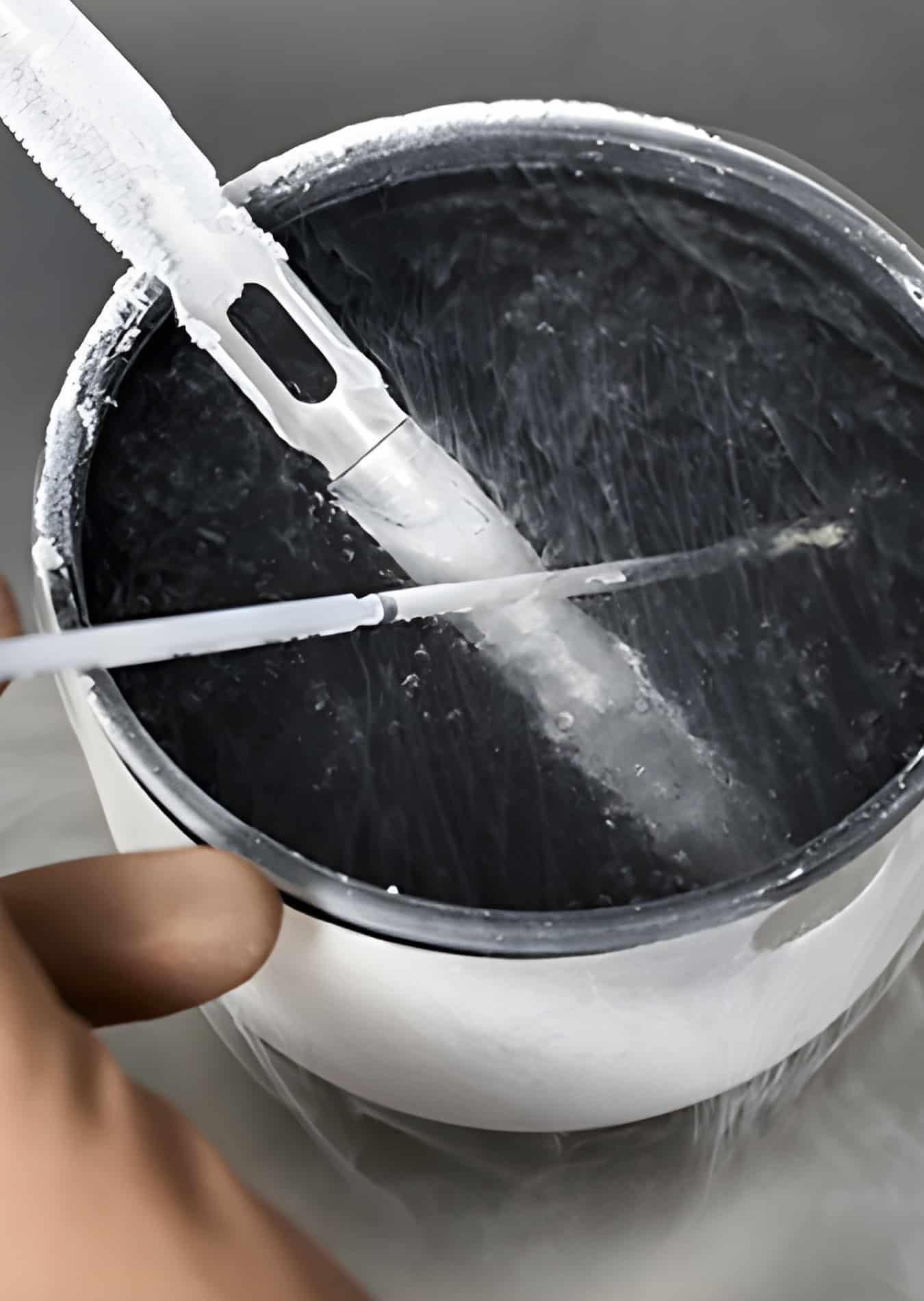
Sperm freezing allows sperm samples to be preserved for potential future use. At GenPrime Everlink Fertility Centre, sperm is preserved using the CRYOTEC® cryopreservation technique, an advanced vitrification method designed to support optimal preservation.
This may be considered in situations such as:
For some individuals, preserving sperm provides reassurance and helps maintain future reproductive options.
The Sperm Freezing Process
Stored sperm may later be used in assisted reproductive treatment, depending on clinical findings at that time.
How Frozen Sperm May Be Used
When you are ready to pursue pregnancy, frozen sperm may be thawed and used in treatments such as:
The choice of treatment depends on sperm quality, maternal factors, and overall medical evaluation.
When Surgical Sperm Retrieval (SSR) May Be Discussed
If sperm is not present in the ejaculate, surgical sperm retrieval techniques may be considered.
Percutaneous Epididymal Sperm Aspiration (PESA)
A minor procedure used to retrieve sperm directly from the epididymis when sperm is not present in the ejaculate, often due to a blockage in the reproductive tract.
Testicular Sperm Aspiration (TESA)
A minor procedure used to retrieve sperm directly from the testicular tissue when sperm is not present in the ejaculate, often due to impaired sperm production or blockage.
Microsurgical Testicular Sperm Extraction (Micro-TESE)
A specialised surgical procedure in which sperm is retrieved directly from testicular tissue using a microscope, typically when sperm production is very limited or not detected in the ejaculate.
A minor procedure used to retrieve sperm directly from the epididymis when sperm is not present in the ejaculate, often due to a blockage in the reproductive tract.
Storage and Duration
Eggs and sperm are stored under regulated laboratory conditions. Storage duration and applicable regulations will be explained during consultation.
Risks and Considerations
As with any medical procedure, fertility preservation may involve potential risks, including:
It is important to understand that fertility preservation does not guarantee future pregnancy. Outcomes depend on age at the time of freezing, reproductive health, and future treatment factors. These considerations will be reviewed before proceeding.
CRYOTEC® Cryopreservation Technique
The CRYOTEC® vitrification system is an advanced cryopreservation technique used to freeze and store oocytes (eggs) and embryos for future use. This rapid freezing method helps protect delicate cellular structures, allowing eggs and embryos to be safely preserved until they are required for treatment.
Compared with conventional slow-freezing approaches and earlier vitrification methods, the CRYOTEC® technique is designed to enhance post-thaw survival and maintain the developmental potential of preserved eggs and embryos.
At GenPrime Everlink Fertility Centre, cryopreservation is performed under carefully controlled laboratory conditions by our experienced embryology team. The aim is to preserve reproductive cells safely while maintaining their viability for use in future fertility treatment cycles.
Key advantages of the CRYOTEC® technique:
- High survival rates of eggs and embryos following thawing
- Reduced cellular stress during freezing and warming
- A precise and reproducible laboratory protocol
- Suitable for preserving eggs and embryos across a range of clinical situations
Discuss Your Options
If you are considering preserving your fertility for the future, we invite you to speak with our team.
If you are considering preserving your fertility for the future,
we invite you to speak with our team.
A consultation allows for review of your reproductive health and discussion
of whether egg or sperm freezing may be appropriate for you.
A consultation allows for review of your reproductive health and discussion of whether egg or sperm freezing may be appropriate for you.