
Embryos are created through IVF
Genetic Screening in Kuala Lumpur
In some IVF cycles, additional genetic information may help guide decisions about embryo transfer. Genetic screening refers to laboratory techniques used to assess embryos for certain chromosomal or inherited conditions before transfer.
Whether testing is appropriate depends on factors such as medical history, age, previous reproductive outcomes, and individual risk factors. A consultation allows for careful review of these considerations before any decision is made.
When Might Genetic Screening Be Considered?
Following fertility evaluation, genetic screening may be discussed in situations such as:

Advanced
maternal age

Recurrent
pregnancy loss

Previous IVF cycles
without successful
implantation

Known inherited
genetic conditions
in partners

Severe male factor
infertility

Structural
chromosomal
rearrangements
Each case requires detailed assessment before testing is recommended.
Each case requires detailed assessment before testing is recommended.
Preimplantation Genetic Testing (PGT)
What Is PGT?
Preimplantation Genetic Testing (PGT) is a genetic testing technique performed during an IVF cycle. Cells are taken from embryos at the blastocyst stage (typically day 5–6) to assess their chromosomal or genetic health before transfer to the uterus.
This helps identify embryos with the best potential for implantation, supports the selection of healthy embryos, and may reduce the risk of miscarriage or certain inherited conditions.
Testing is typically carried out several days after fertilisation, once the embryo has reached the blastocyst stage.

PGT-A (Aneuploidy)
Screens embryos for abnormalities in chromosome number, such as an extra or missing chromosome.
PGT-M (Monogenic)
Used when one or both parents are carriers of a specific inherited condition, helping identify embryos that are affected, unaffected, or carriers.
PGT-SR (Structural Rearrangement)
Assesses embryos for chromosomal structural changes, such as translocations or deletions, which may contribute to implantation failure or recurrent miscarriage.
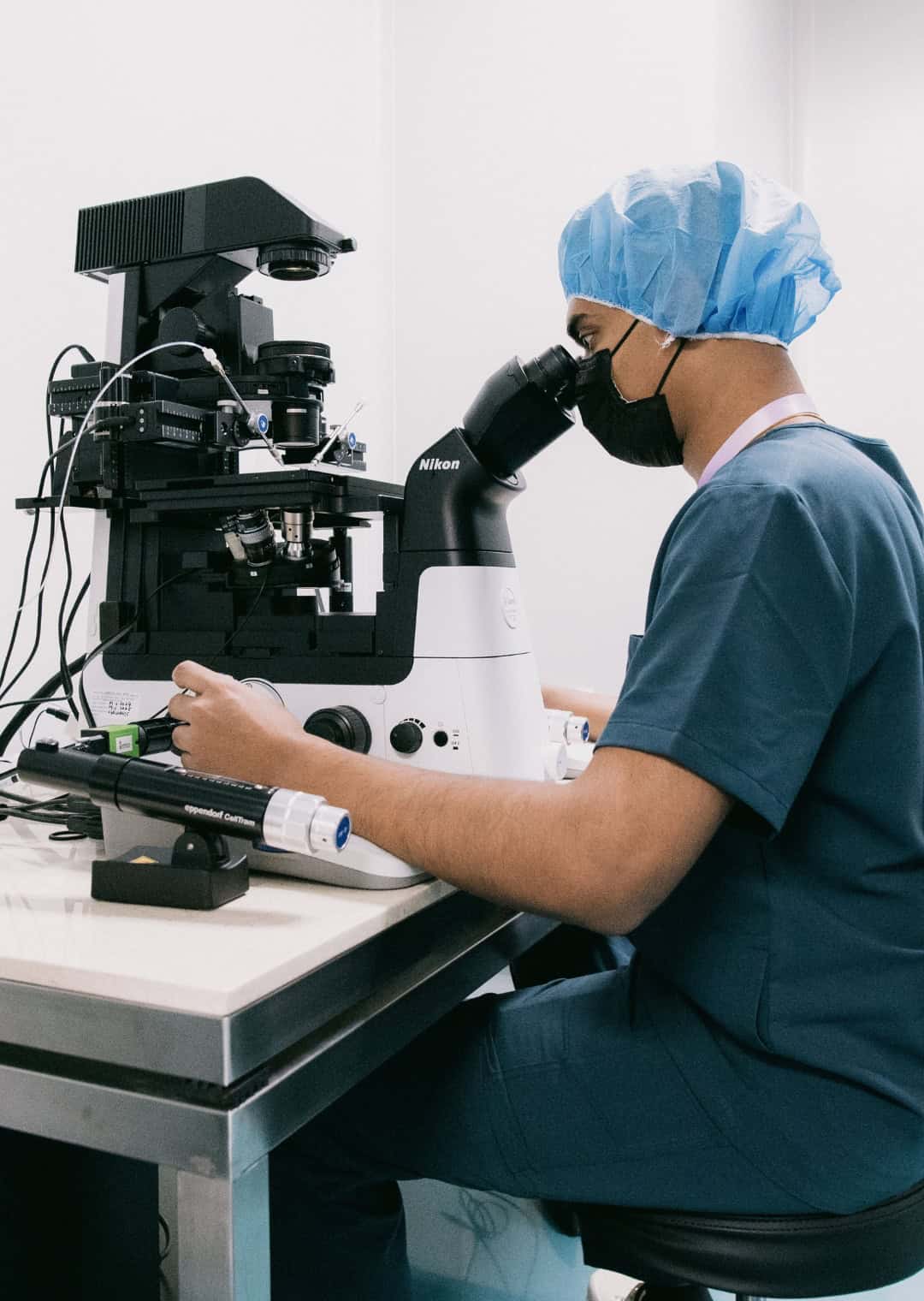
How PGT Is Performed
The purpose, potential implications, and limitations of testing will be discussed in advance so that you understand what the results may — and may not — indicate.
Non-Invasive Chromosome Screening (NICS)
What Is NICS?
Traditional PGT-A involves removing a small number of cells from the outer layer of the embryo (the trophectoderm) for genetic analysis. This procedure requires specialised expertise and may occasionally produce uncertain results, as the genetic makeup of these cells does not always fully represent the embryo itself.
Non-invasive PGT-A (niPGT-A) offers an alternative approach by analysing genetic material released by the embryo into the culture medium, avoiding the need for embryo biopsy.
GenPrime Everlink Fertility Centre is among the early centres in Asia to offer NICS-A, a non-invasive genetic screening technology designed to minimise potential disruption to the embryo while providing additional genetic information during IVF treatment.
When Might NICS Be Discussed?
As with all screening methods, suitability depends on individual circumstances and laboratory considerations.
Considerations and Limitations
Genetic screening may provide additional information about embryos, but it does not guarantee pregnancy or eliminate all risks.
Factors such as maternal age, uterine health, embryo development, and overall reproductive profile continue to influence treatment outcomes.
Screening results can also raise complex decisions. These will be discussed carefully so that you feel informed before proceeding.
Discuss Your Options
If you are considering preserving your fertility for the future, we invite you to speak with our team.
If you are considering preserving your fertility for the future,
we invite you to speak with our team.
A consultation allows for review of your reproductive health and discussion
of whether egg or sperm freezing may be appropriate for you.
A consultation allows for review of your reproductive health and discussion of whether egg or sperm freezing may be appropriate for you.
Important Notice
This information is provided for general educational purposes only and does not replace medical consultation. Treatment suitability and outcomes vary by individual. A consultation with a registered medical practitioner is required before initiating fertility treatment.