
Frozen Embryo Transfer (FET) in
Kuala Lumpur
Frozen Embryo Transfer (FET) in Kuala Lumpur
During an IVF cycle, there are times when embryos are frozen rather than transferred immediately. For some couples, this may feel like an unexpected pause. For others, it is a planned step in the treatment process.
Frozen Embryo Transfer (FET) refers to the transfer of a previously cryopreserved embryo in a later cycle.
Although the transfer takes place at a different time, it remains part of a coordinated IVF treatment plan. The timing is determined based on medical findings, uterine preparation, and overall treatment strategy.
When Might Frozen Embryo Transfer Be Considered?
FET may be discussed in situations such as:

Surplus embryos following an IVF cycle
“Freeze-all” cycles
Following Preimplantation Genetic Testing (PGT)
When the uterine lining is not optimal during a fresh cycle
After recovery from ovarian stimulation
Delaying transfer does not mean treatment has stopped. In many cases, it allows time to optimise the uterine environment before proceeding.
Your doctor will explain why a frozen transfer is recommended in your particular situation and how it fits into your overall plan.
Delaying transfer does not mean treatment has stopped. In many cases, it allows
time to optimise the uterine environment before proceeding.
Your doctor will explain why a frozen transfer is recommended in your particular
situation and how it fits into your overall plan.
How Frozen Embryo Transfer Is Performed
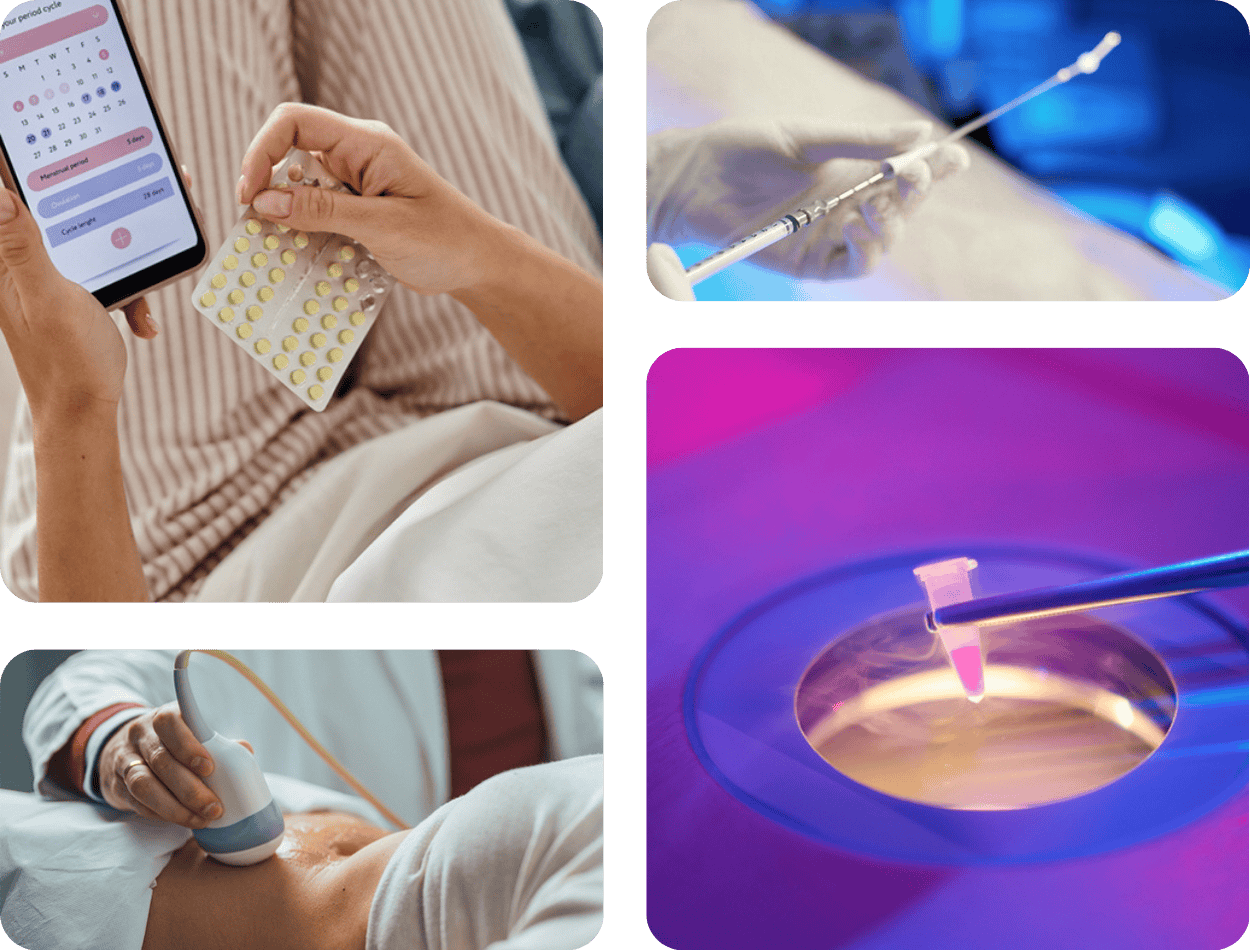
A Frozen Embryo Transfer cycle typically involves:
01
Preparation of the uterine lining through a natural or medicated cycle
02
Monitoring through ultrasound scans and, where necessary, blood tests
03
Thawing of the selected embryo in the laboratory
04
Transfer of the embryo into the uterus using a thin catheter
The transfer procedure is usually brief and does not require anaesthesia.
After the transfer, there is typically a waiting period before pregnancy testing. Your care team will explain what to expect during this time and when follow-up testing will be arranged.
Natural vs Medicated FET Cycles
FET may be performed in:
- A natural cycle, where ovulation occurs spontaneously
- A medicated cycle, where hormonal support is provided to prepare the uterine lining
The choice depends on cycle regularity, medical history, and overall clinical findings.
Your doctor will advise which approach is most appropriate for your circumstances.
How FET Differs from Fresh Embryo Transfer
In a fresh transfer, the embryo is transferred within the same cycle as egg retrieval.
In a Frozen Embryo Transfer cycle, the embryo is transferred in a subsequent cycle after cryopreservation and thawing.
The decision between fresh and frozen transfer is guided by clinical and laboratory considerations, rather than preference alone.
Frequently Asked Questions
Does FET improve pregnancy chances compared to fresh transfer?
The choice between fresh and frozen transfer depends on individual clinical factors. Your doctor will advise on the most appropriate approach based on your treatment history.
Is the embryo damaged during freezing?
Modern cryopreservation techniques are designed to preserve embryo viability. Embryos are assessed before freezing and after thawing.
Is FET painful?
The embryo transfer procedure is typically brief and does not require anaesthesia. Mild discomfort may occur but is generally minimal.
How long after IVF can FET be performed?
The timing of FET depends on recovery from stimulation, uterine preparation, and overall treatment planning.
Are all frozen embryos suitable for transfer?
Embryo suitability is assessed by the embryology team based on development and survival after thawing.
Discuss Your Next Step
If you have embryos in storage or have been advised to consider
a delayed transfer, we invite you to speak with our team.
If you have embryos in storage or have been advised to consider a delayed transfer, we invite you to speak with our team.
A consultation allows time to review your treatment history and discuss when
and how a Frozen Embryo Transfer may be incorporated into your care plan.
A consultation allows time to review your treatment history and discuss when and how a Frozen Embryo Transfer may be incorporated into your care plan.
Important Notice
This information is provided for general educational purposes only and does not replace medical consultation. Treatment suitability varies by individual. A consultation with a registered medical practitioner is required before initiating fertility treatment.